Introduction: India’s Green Horizon
The hum of electric motors is rapidly replacing the roar of internal combustion engines on India’s bustling streets. We are standing at a pivotal juncture in 2025, witnessing an unparalleled surge in the adoption of electric vehicles (EVs) in India. This isn’t merely a shift in transportation; it’s a profound “Electric Revolution” reshaping our nation’s road to sustainable mobility. From ambitious government policies to a burgeoning ecosystem of charging infrastructure and innovative EV models India now stands as a beacon of green automotive transformation. This comprehensive guide will navigate you through the current landscape, upcoming trends, and what it truly means to be a part of India’s electrifying future.
The Current Power Play: Who’s Driving India’s EV Boom?
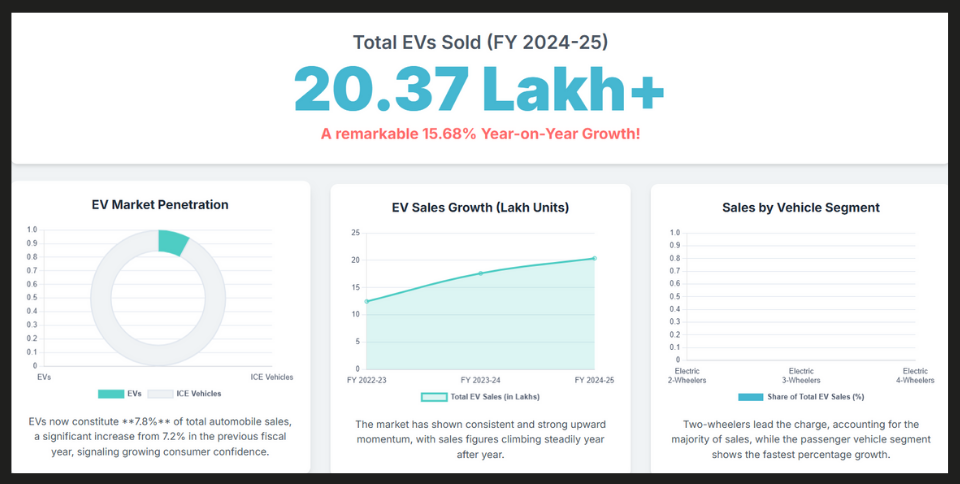
India’s EV market is no longer a niche segment. It’s a dynamic battleground where traditional automotive giants and agile startups are vying for supremacy. As of FY 2024-25, over 20.37 lakh units of electric vehicles were sold in India, marking a robust 15.68% year-on-year growth. EVs now account for 7.8% of overall automobile sales, a steady increase from 7.2% in the previous fiscal year.
India’s EV Boom: Facts & Figures
The EV market share India is predominantly driven by two and three-wheelers, which are spearheading the mass adoption.
- Two-Wheelers: High-speed electric two-wheelers saw a massive 19.1% growth, with over 12 lakh units sold in FY 2024-25, making up nearly 60% of total EV sales. This highlights their critical role in daily commutes.
- Three-Wheelers: The electric three-wheeler passenger (L5) category registered an impressive 89.7% YoY growth in FY 2024-25. E-carts also saw significant growth, underscoring the shift in commercial logistics.
- Four-Wheelers: The penetration of electric four-wheelers increased to 2.7% in FY 2024-25, indicating growing consumer confidence and more widespread options. Sales of electric cars and SUVs jumped 53% in H1 2025 alone, reaching 74,539 units.
Key Players & Popular EV models India
Major manufacturers are aggressively expanding their electric cars India and electric scooter India portfolios:
- Electric Cars: While Tata Motors has seen its market share shift, models like the Nexon EV and Tiago EV remain strong contenders. JSW MG Motor India has doubled its share to 32% in H1 2025 with models like the Comet EV and upcoming offerings, closely trailing Tata. Mahindra & Mahindra has also seen substantial growth (17% market share in H1 2025) with its XUV400 and new BE 6 and XEV 9e. Hyundai’s Creta Electric, launched in early 2025, has also made a significant impact.
- Electric Scooters: The
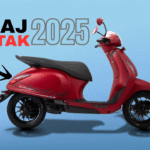
best electric scooters for daily commute Indiacontinue to be dominated by Ola Electric (29.7% market share in FY 2024-25), TVS Motors, Bajaj Auto, and Ather Energy. Models like the Ola S1 Pro (2nd Gen), Ather Rizta, TVS iQube, and Bajaj Chetak offer ranges of 145-195 km, catering perfectly to urban commuters. The introduction of models like the Ekotejas Axel Pro and Yulu Wynn also highlights the growing diversity inaffordable electric scooters India.
Powering Up: The Evolving EV Charging Stations India Network
One of the biggest anxieties for potential EV buyers has always been charging infrastructure. However, 2025 paints a much more reassuring picture. As of April 2025, India boasts 26,367 public EV charging stations, with over 50% of these installed in 2024 alone, indicating rapid scale-up. By May 2025, this number surged to 29,277 public/semi-public chargers.
The State of EV charging stations India
- Rapid Expansion: Major players like Tata Power EZ Charge, ChargeZone, and Electrify India are aggressively expanding their networks across cities, highways, and even semi-urban areas. OEMs like Tata Motors and Maruti Suzuki are also committing to vast charging network expansions, with Tata Motors planning 30,000 new public charging points and 500 “Mega Charger” corridors by 2027.
- Interoperability and Density: While concentration remains higher in urban centers like Karnataka (5,765 stations), Maharashtra (3,728), and Delhi, efforts are underway to improve density and ensure interoperability. The ideal EV-to-charger ratio remains a goal, but the rapid deployment is addressing historical gaps.
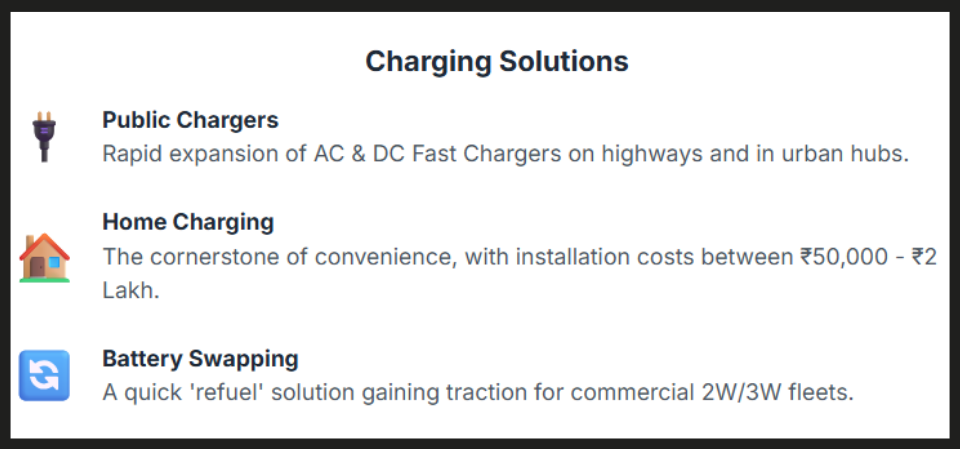
- Battery Swapping: Beyond traditional charging, the concept of battery swapping, particularly for two and three-wheelers, is gaining traction. This offers a quick “refuel” solution, potentially addressing range anxiety and upfront battery costs for consumers.
Home EV charger installation cost India & Options
For most private EV owners, home charging remains the most convenient option. The average home EV charger installation cost India can range from ₹50,000 to ₹2 lakh, depending on the charger type (AC slow chargers vs. faster AC chargers), site preparation, and electrical work. Many OEMs now offer bundled solutions or financing options for home charger installations, making the transition smoother for new buyers.
Driving the Change: Government Incentives & Policies
The Indian government’s commitment to electric mobility remains unwavering, evolving with the market’s needs.
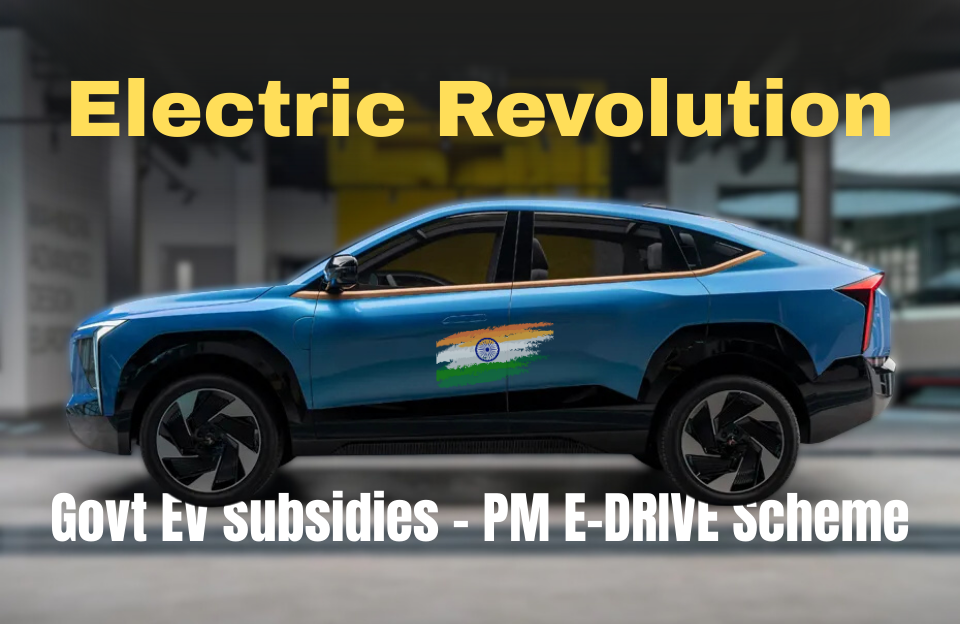
EV subsidies India latest: PM E-DRIVE Scheme
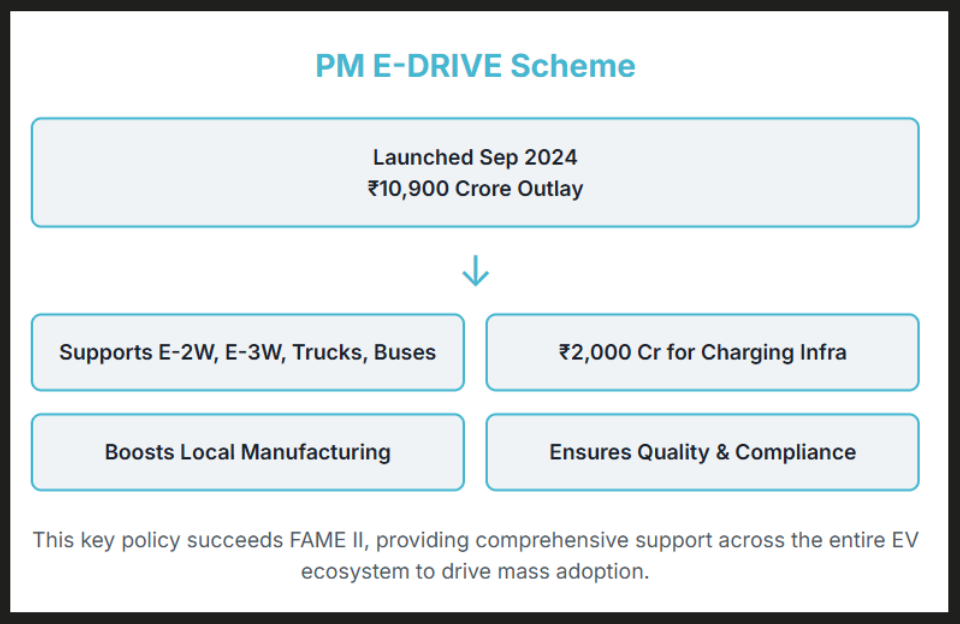
Following the success of FAME II, the Ministry of Heavy Industries has unveiled the PM Electric Drive Revolution in Innovative Vehicle Enhancement (PM E-DRIVE) Scheme on September 29, 2024, with an outlay of ₹10,900 crore over two years. This is effectively the successor to FAME II, focusing on:
- Supporting various EV segments, including e-2W, e-3W, e-Trucks, e-buses, and e-Ambulances.
- Allocating ₹2,000 crore specifically for building EV public charging stations.
- Continuing the Phased Manufacturing Program (PMP) to boost localization of EV components.
- Ensuring compliance and preventing malpractices through integrity pacts and periodic surveillance.
Road Ahead: Regulatory Landscape
Beyond direct subsidies, the broader EV policy India aims for significant decarbonization. States continue to play a crucial role, offering additional incentives like 100% road tax exemptions (Maharashtra, Assam, West Bengal) and registration fee waivers. Policies in states like Delhi aim for fast chargers every 5 km, while Uttar Pradesh is aiming to be an EV manufacturing hub. These efforts are collectively shaping sustainable mobility India and driving the nation towards ambitious EV penetration targets for 2030.
Making the Switch: Ownership Experience & Considerations
Owning an EV in India in 2025 is increasingly becoming a pragmatic choice for many.
Affordable electric cars India 2025: Budget-Friendly Options
The market for affordable electric cars India 2025 is expanding rapidly. With the expected launch of the Maruti Alto EV 2025, priced starting from an estimated ₹4.50 lakh (ex-showroom), it promises to be India’s most affordable electric hatchback, directly competing with the Tata Tiago EV and MG Comet EV. This growing segment is crucial for mass adoption.
The Total Cost of Ownership (TCO) for EVs, particularly two and three-wheelers, is now significantly lower than petrol counterparts. A CEEW study in June 2025 highlighted that electric two-wheelers cost ₹1.48 per kilometre to operate, compared to ₹2.46 for petrol versions. While private electric car TCO varies by region due to electricity tariffs and subsidies, the long-term savings on fuel and maintenance are undeniable, making them increasingly attractive.
Best electric scooters for daily commute India
For urban commuters, best electric scooters for daily commute India offer practical, cost-effective solutions. Models from Ola, Ather, TVS, and Bajaj offer ranges well suited for city travel, combined with smart features, robust build quality, and increasing reliability. The low EV running cost India of these scooters makes them a financially smart choice.
Addressing Range Anxiety & Battery Life
Concerns about range anxiety are steadily diminishing. Modern battery technology advancements mean higher energy density and improved efficiency. EVs launched in 2025 typically offer ranges perfectly suited for daily city commutes, with highway charging infrastructure steadily improving for longer trips. The proposed “Battery Passport” regime by NITI Aayog will further enhance consumer confidence by providing transparent, digital information on every battery’s origin, performance, composition, and lifecycle. This move will also boost EV battery life India transparency and facilitate battery swapping and recycling.
The Future is Electric: Trends and Outlook
India’s EV journey is still in its early phases of explosive growth, with several exciting trends shaping its future.
- Technological Innovations: Beyond current lithium-ion technology, India is actively exploring alternatives like sodium-ion batteries, Vanadium Redox Flow Batteries (VRFB), and even zinc-air battery technology to reduce reliance on critical minerals and enhance energy storage solutions. Faster charging technologies and bidirectional charging are also becoming more commonplace.
- Software-Defined Vehicles (SDVs): The rise of
software-defined vehicles Indiais transforming the automotive experience. Cars are becoming intelligent platforms, with AI integration enabling predictive maintenance, personalized in-car experiences, and over-the-air updates for new features and improved performance. This shift moves cars from mere hardware to evolving digital ecosystems. - Hydrogen Fuel Cell Vehicles (HFCVs): While BEVs lead,
hydrogen fuel cell vehicles Indiaare gaining strategic importance, particularly for heavy-duty commercial transport. The Union government launched five pilot projects in March 2025, deploying 37 hydrogen-fuelled buses and trucks across 10 different routes, signalling a long-term commitment to a diversified green mobility strategy. - Sustainable Manufacturing & Recycling: The push for
sustainable manufacturing practices Indiais strong, with automakers focusing on reducing carbon footprints in production, using renewable energy, and establishing robust battery recycling frameworks. The Battery Waste Management Rules (BWMR) along with the upcoming Battery Passport are critical steps towards a circular economy for EV components. - Maturing Used EV Market: As EV sales surge, a robust
used EV market Indiais emerging. This offers a morecheapest electric cars Indiaentry point for budget-conscious buyers, further accelerating mass adoption and contributing to the sustainability cycle.
Conclusion: Paving the Way for a Cleaner Tomorrow
India’s electric revolution is undeniable. With continuous innovation, robust government support, and increasing consumer acceptance, the road to sustainable mobility is being paved at an unprecedented pace. From electric cars India becoming a common sight to the widespread availability of EV charging stations India, the future of transportation is here. As we move further into 2025 and beyond, India is not just adopting electric vehicles; it is defining the future of green mobility on a global scale. This journey promises not just cleaner air, but a stronger, more energy-secure nation.